80% fewer chemicals: the quiet revolution of PIWI grape varieties
For a century, a fungal scourge from America devoured European vines, and traditional protection meant only one thing: relentlessly drenching crops in chemicals. In 1975, behind the walls of a state institute in Freiburg, a hybrid was brought to life that in the world of traditional winemaking was regarded almost as sacrilege.
 Made with AI
Behind the walls of the state institute in Freiburg, a vine was born from the pairing of delicate European grapevines with a wild Asian vine from the frozen Amur, from which Solaris took its gene of defence against mildew. This was none other than Solaris: a vine bred to combat a microscopic predator - mildew. Today, a plant that matured for decades in experimental vineyards grows in three quarters of Poland's vineyards.
A plague from across the ocean
The noble European grapevine (Vitis vinifera) yields outstanding wines, yet against fungi it is defenceless. The pathogens arrived from North America in the 19th century alongside imported cuttings: downy and powdery mildew began mercilessly ravaging leaves and bunches across the continent. As the Julius Kühn-Institut, the German federal research centre, points out, classic varieties have since been unable to produce healthy fruit without regular, intensive spraying.
The earliest hybrids almost vanished
Around 150 years ago, growers attempted a straightforward remedy: French breeders began crossing noble vines with wild American species. Transferring pollen between bushes gave rise to the first hybrids. Initially planted on a massive scale, their fruit produced wine with a wild, chemical aroma. By the mid-20th century, disappointed winemakers had almost entirely abandoned them.
The breakthrough
The breakthrough came from German scientists, who created PIWI varieties - vines naturally resistant to fungi. Red Regent was bred in 1967, and in 1975 the renowned Solaris was created in Freiburg. Even so, Solaris did not reach the market until 26 years later, in 2001. Why such a colossal delay?
According to a 2025 review by researchers from the Julius Kühn-Institut and INRAE, published in the journal Plants, People, Planet, modern resistant varieties allow fungicide use to be cut by 50 to 80 per cent while keeping wine quality comparable to classic varieties. In some trials in France and Germany, plant-protection treatments fell by as much as 90 per cent.
Breeding a new vine is painstaking work: the plant grows slowly, and each new generation must be backcrossed with noble varieties until the wine finally tastes as it should. As a result, creating a single successful variety once took as long as three decades.
Patience that paid off
This protracted effort paid off handsomely - and its greatest beneficiary has proved to be Poland. In the register of the National Support Centre for Agriculture, there are 800 growers cultivating vines across nearly 1,200 hectares, and the figures demonstrate the dominance of these new varieties. A remarkable 578 estates (nearly 72 per cent) have opted for Solaris, whilst 417 chose red Regent. Traditional varieties still hold their ground - 229 winemakers declare Riesling, and around 200 report Pinot Noir - but it is the German hybrids that have given Polish vineyards stability.
A green revolution in your glass
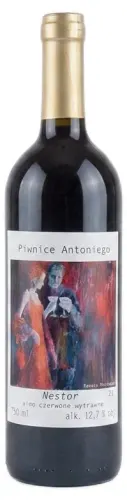
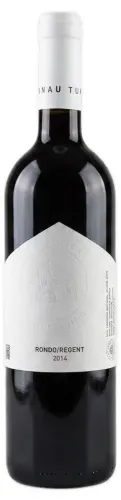
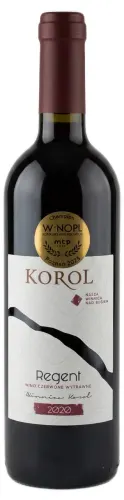
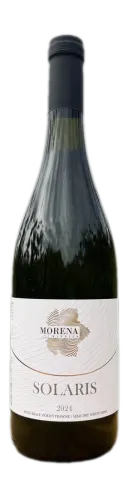
More often than not, a glass from a domestic vineyard contains the fruits of this quiet, ecological revolution, even if it lacks a prominent "PIWI" label. One need only look at the grape varieties. Resistant hybrids have become the true hallmark of our country today: the smash-hit Solaris, crisp Johanniter, grapefruit-scented Hibernal, and the widely popular Seyval Blanc. If you prefer red wines, look out for bottles featuring Regent, Rondo, or Cabernet Cortis. Their presence in the vineyard bears witness to the courage of local Polish winemakers, serving above all as a step towards a clean, green future.